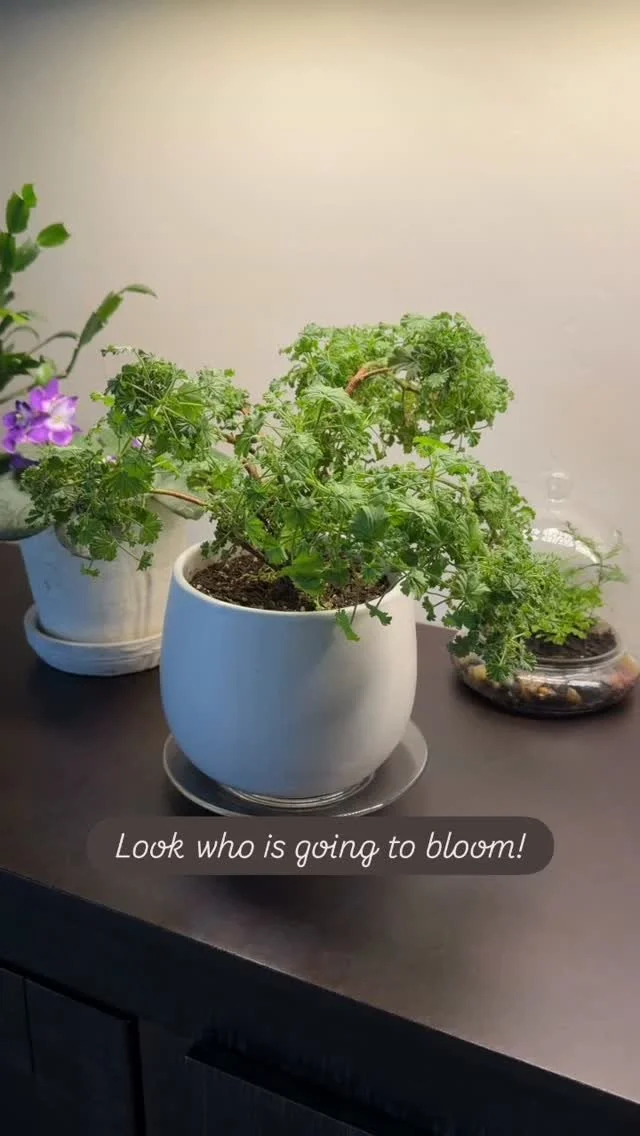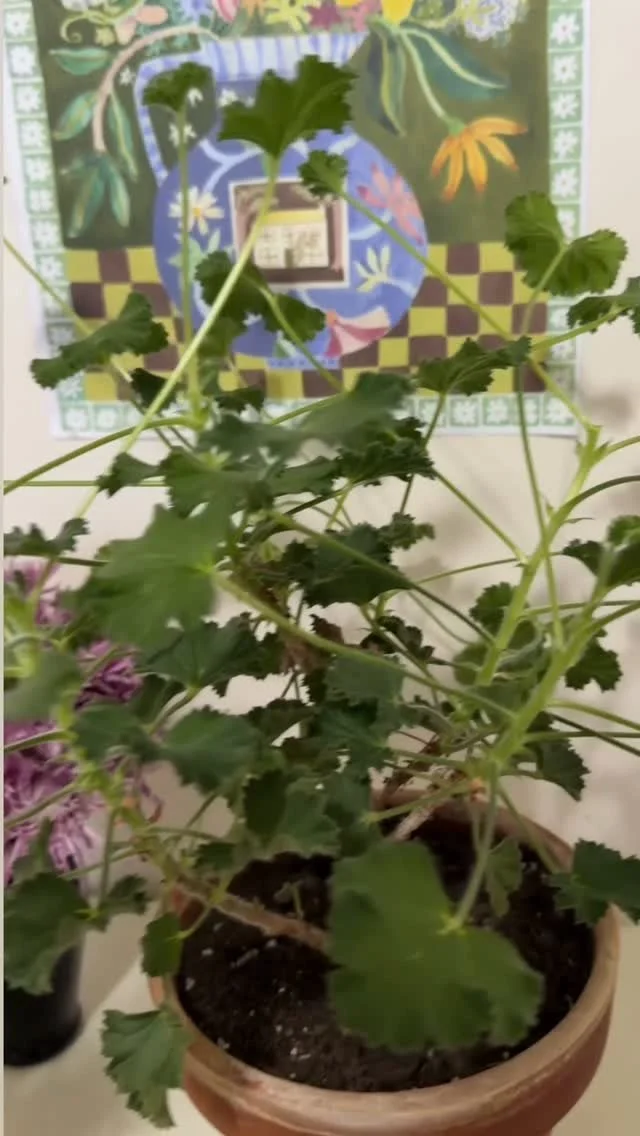
Scented Pelargonium Collective
Discover the beauty and fragrance of scented pelargonium plants, along with other ways to use these lovely plants.
What Are Scented Pelargoniums?
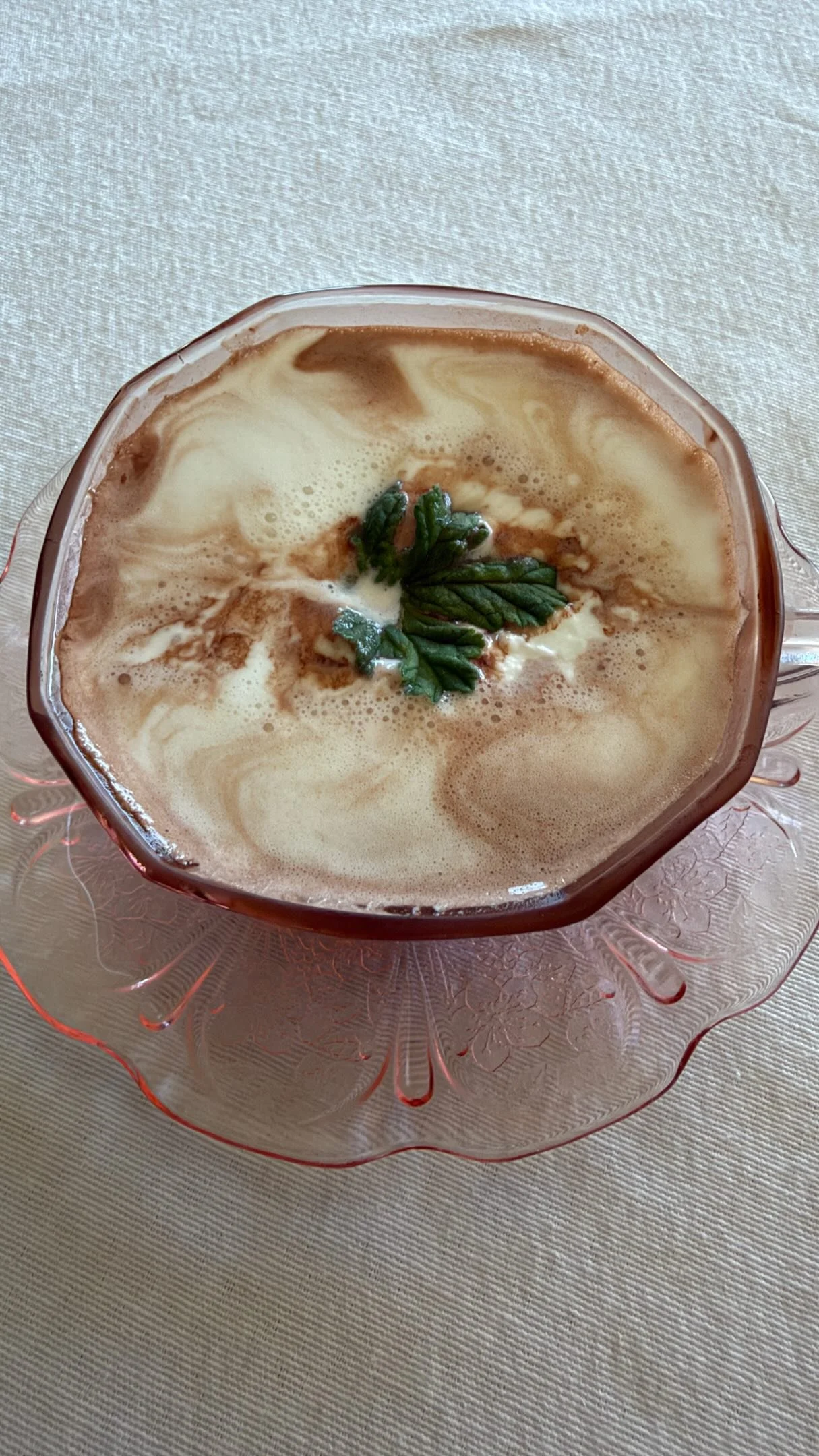
Scented-leaf pelargoniums, commonly known as scented geraniums, are a delightful addition to any home and garden. They are valued for their fragrant foliage, edible flowers, and versatile uses in culinary and crafts.
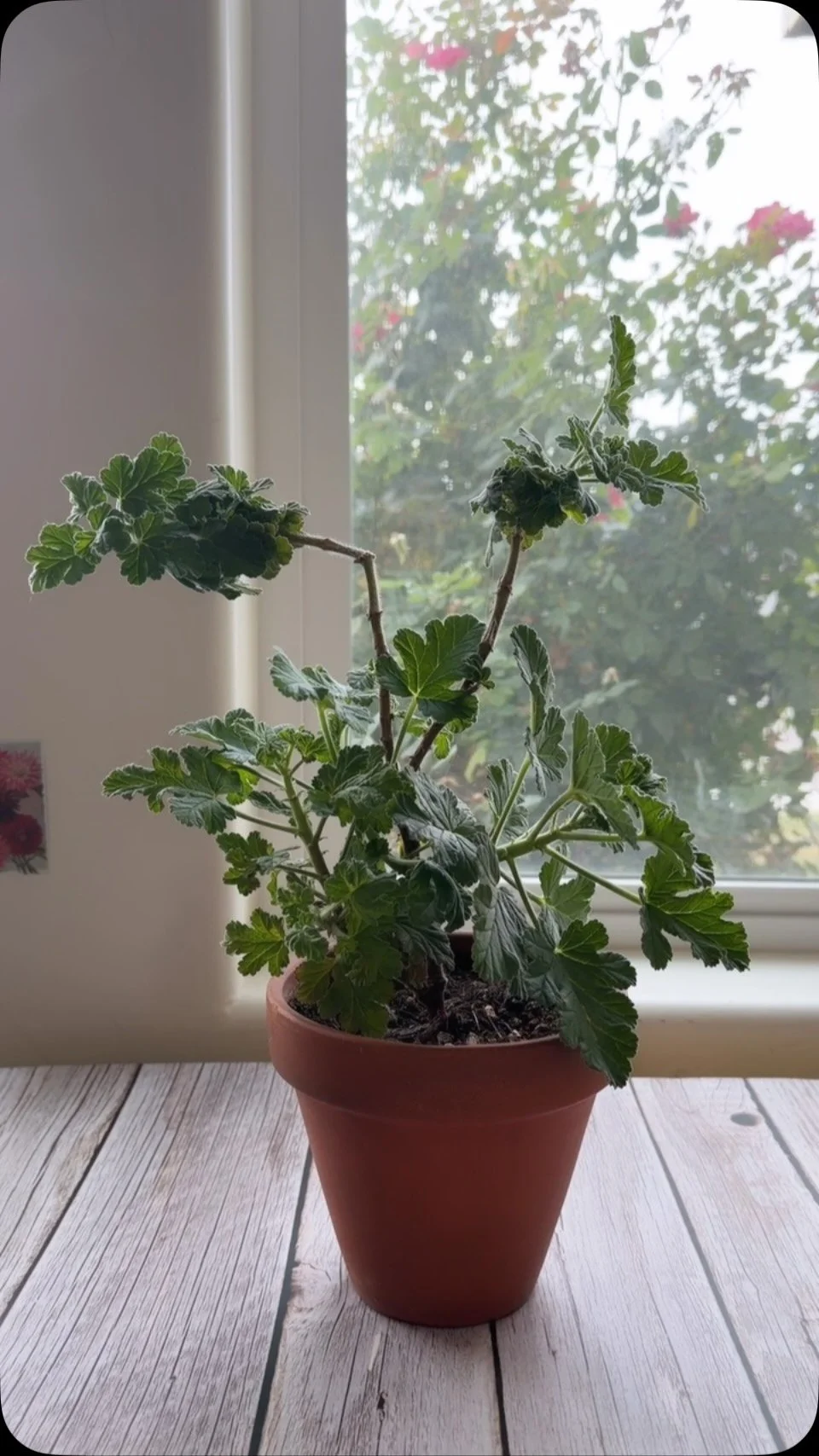
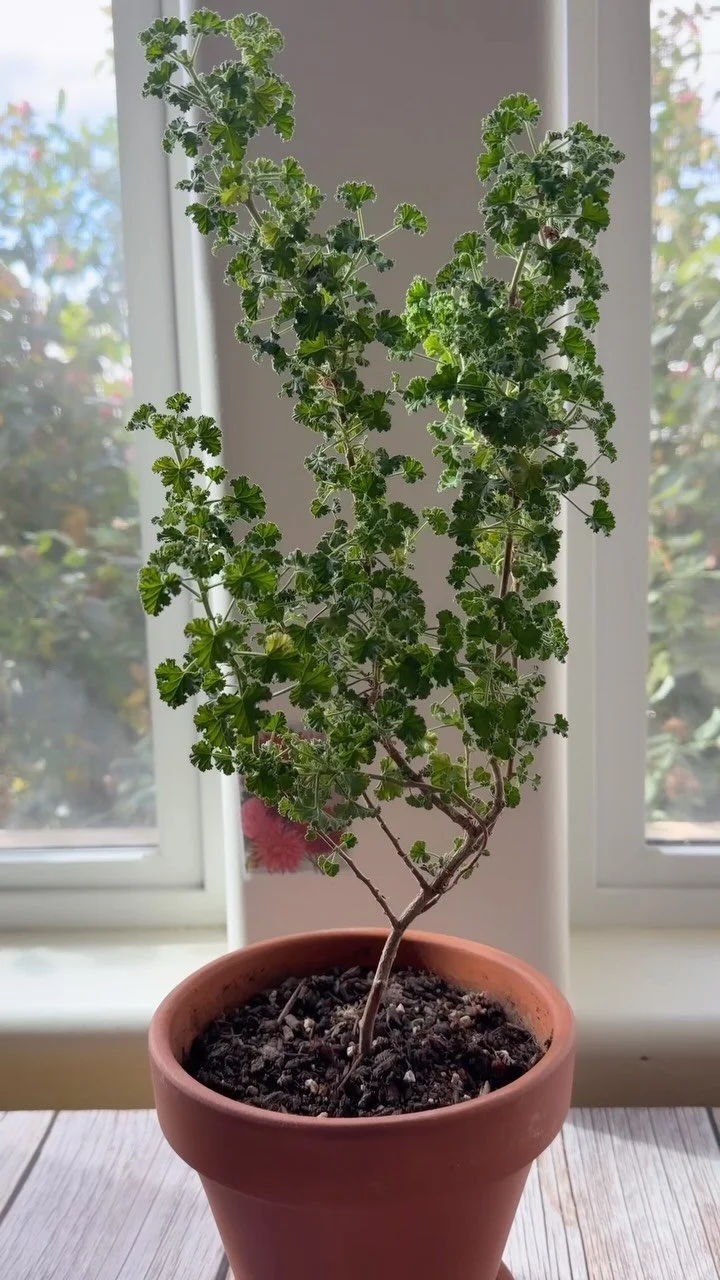
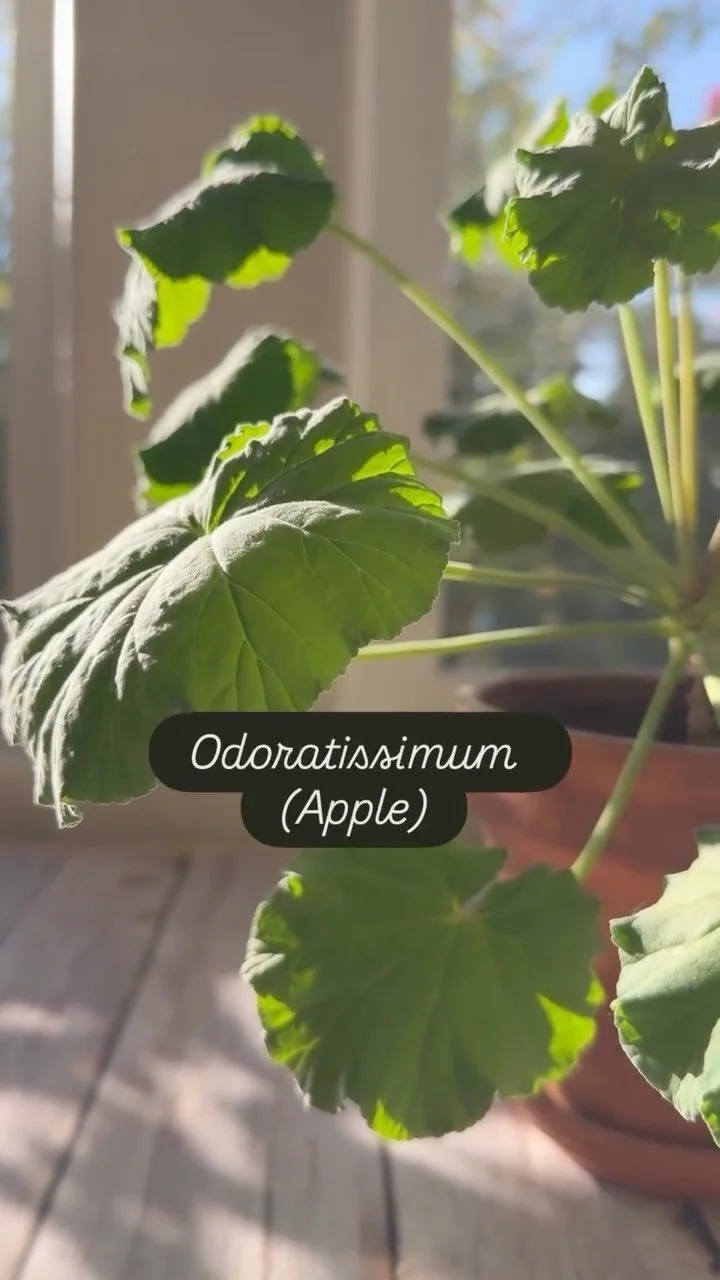
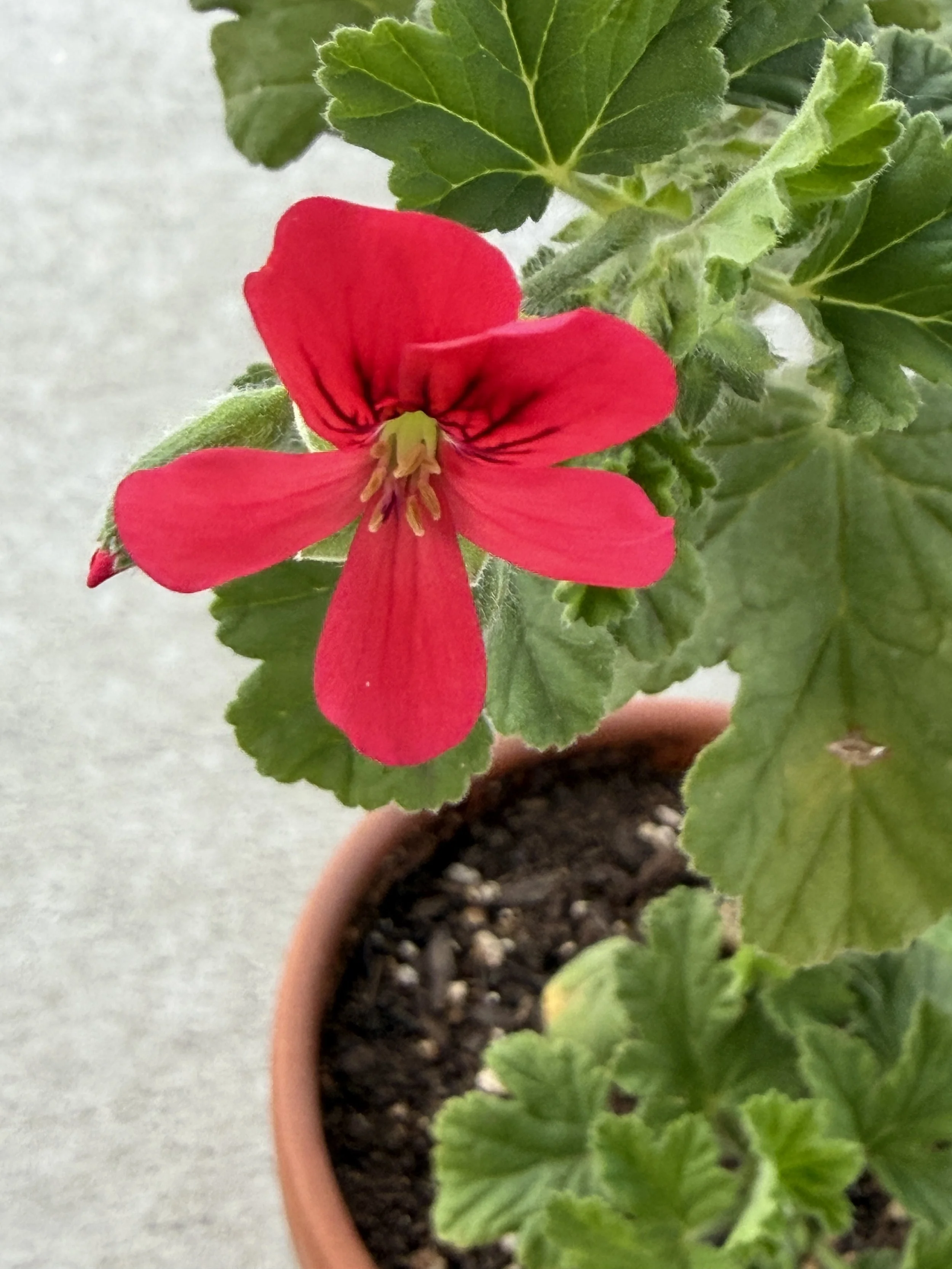
Although often confused with geraniums, pelargoniums are a distinct genus within the Geraniaceae family. Scented pelargoniums are a specialized subgroup grown specifically for their aromatic leaves. When leaves are rubbed between the fingers, they release unique scents that can resemble rose, lemon, mint, apple, coconut, pine, nutmeg, chocolate, and others.
Native primarily to South Africa, only a small number of the approximately 250 naturally occurring pelargonium species are scented. Most of the varieties available today have been developed through hybridization.
History of Scented Pelargoniums
Established in 1602, the Dutch East India Company became a vital link between India and the Netherlands. The Cape of Good Hope served as an important stopover, and around 1700, the Dutch governor sent pelargoniums to Holland.
Thomas Johnson's 1633 revision of Gerard's Herbal mentioned a South African species and noted that he had seen it bloom in John Tradescant's garden in Lambeth in 1632. This species, known as 'Geranium Indicum Noctu Odoratum,' is now recognized as P. triste.
By 1732, many species of pelargoniums had been imported to Britain. Dillenius, a professor of Botany at Oxford University, described the African pelargoniums growing in Dr. James Sherard's garden at Eltham, near London. Scented pelargoniums made their way to the United States with early colonists and were used as a flavoring for food as early as 1818.
Thomas Jefferson reportedly maintained a small collection at the presidential residence, which included P. inquinans. By 1870, pelargoniums had become very popular, and according to Adelma Simmons, “even those who lived in remote farmhouses had access to several kinds.”
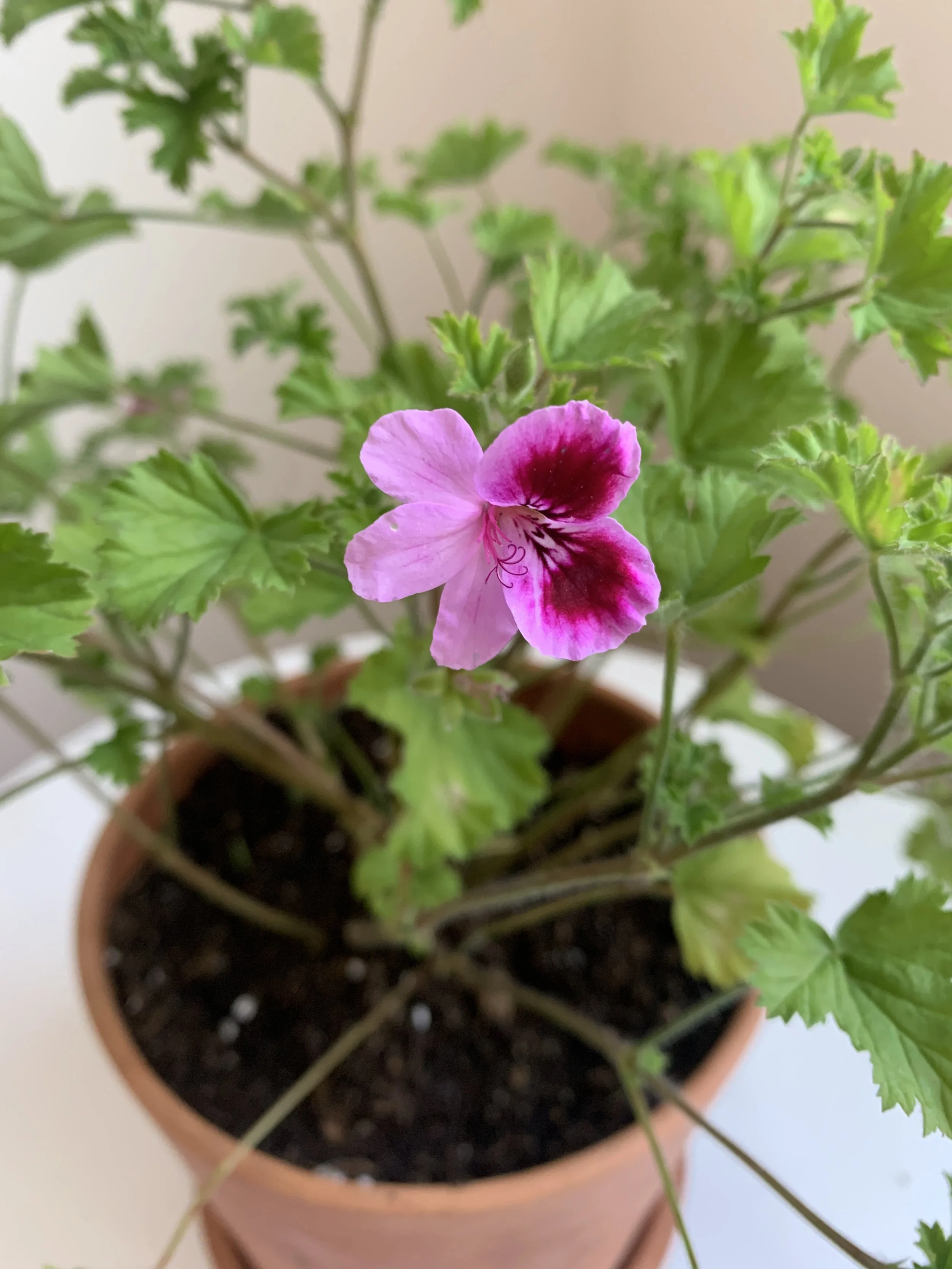
How to Grow Scented Pelargoniums
The growing season for scented pelargoniums is from February to October. During this time, apply a water-soluble 10-10-10 fertilizer every other time you water them. These plants thrive in slightly acidic soil with a pH between 6 and 6.5.
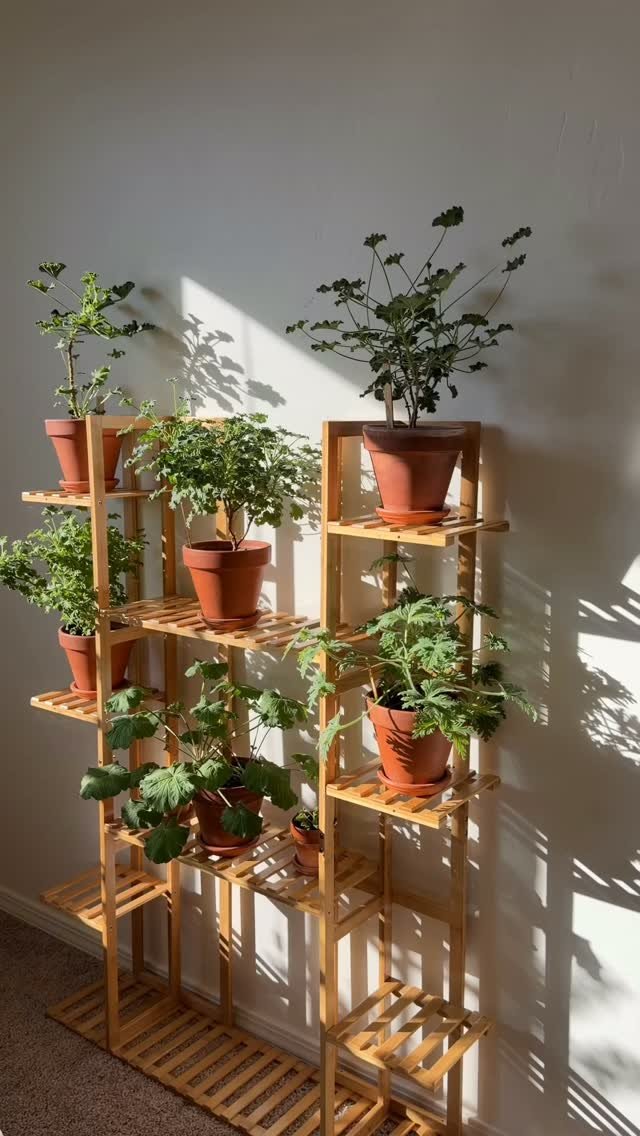
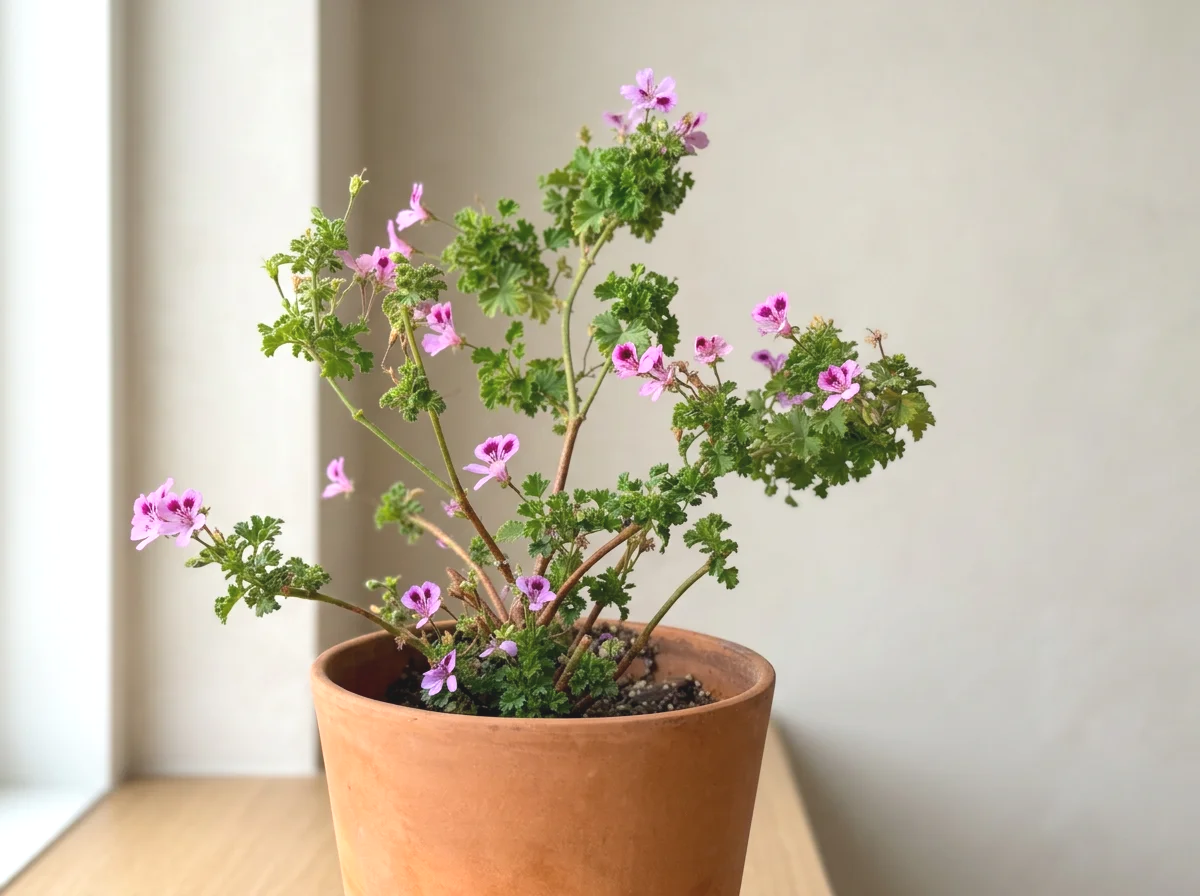
Mine grow in terra cotta pots, and I water them when the top inch of soil feels dry, ensuring that water drains out through the bottom hole.
From November to January, continue using the same fertilizer but reduce the application to once every eight waterings. Scented pelargoniums prefer nighttime temperatures between 50°F and 60°F, and daytime temperatures between 65°F and 75°F.
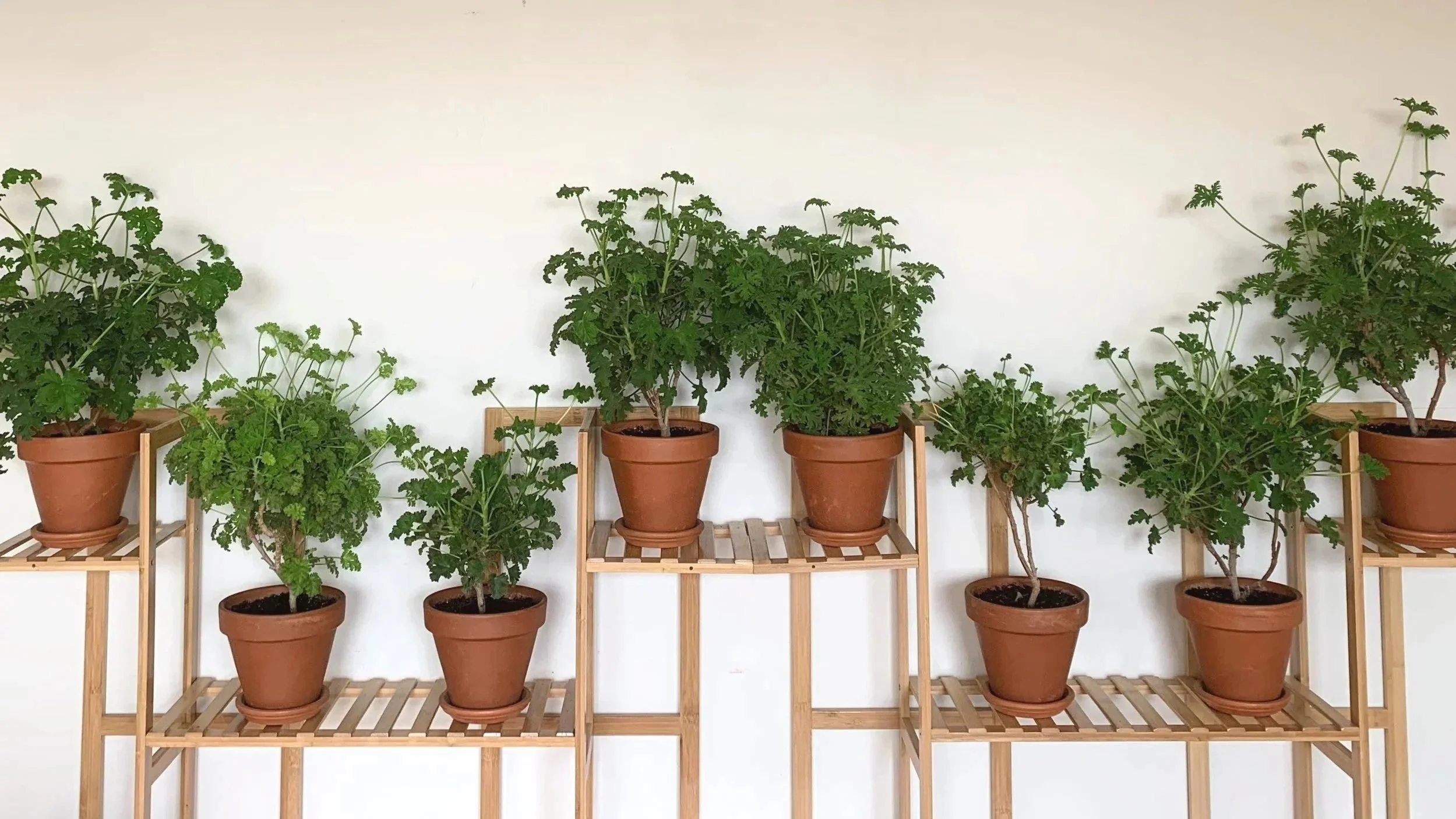
In the summer, I place my potted pelargoniums on a bench against a fence on the south side of the house. Because temperatures can exceed 100°F, I ensure they receive shade for more than half the day. During extreme heat, they require daily watering.
It's important to bring scented pelargoniums indoors before temperatures drop to 45°F. A south-facing window that receives at least six hours of direct sunlight is ideal for them. In frost-free areas, these plants can remain outside throughout the winter.
For more information about these fragrant plants, I recommend reading "Scented Geraniums" by Jim Becker.
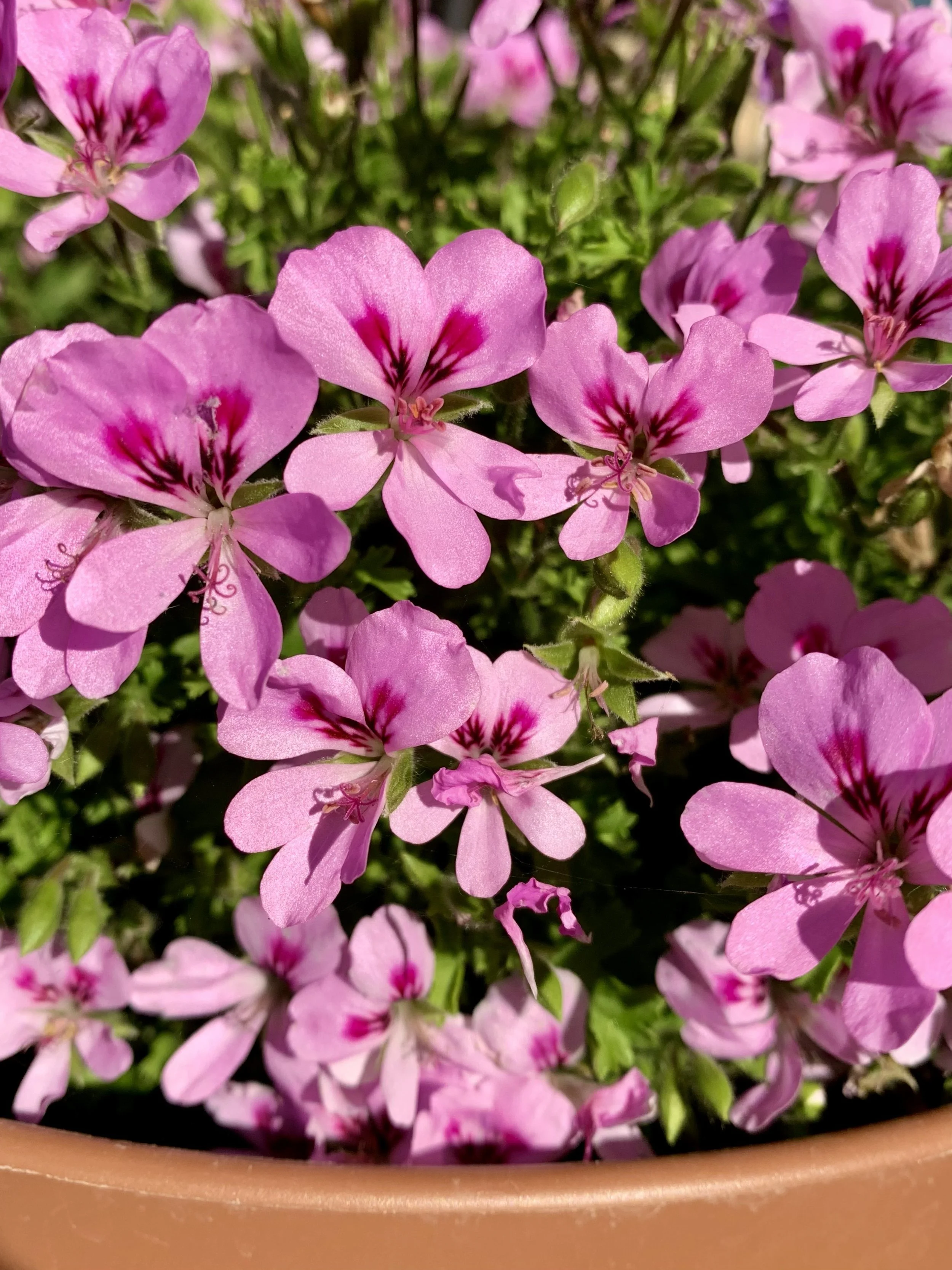
Six Fruit Scented Pelargoniums
Collecting fruit-scented pelargoniums is a fulfilling and enjoyable endeavor. Here are 6 plants that are easy to obtain and grow for their aromatic leaves.
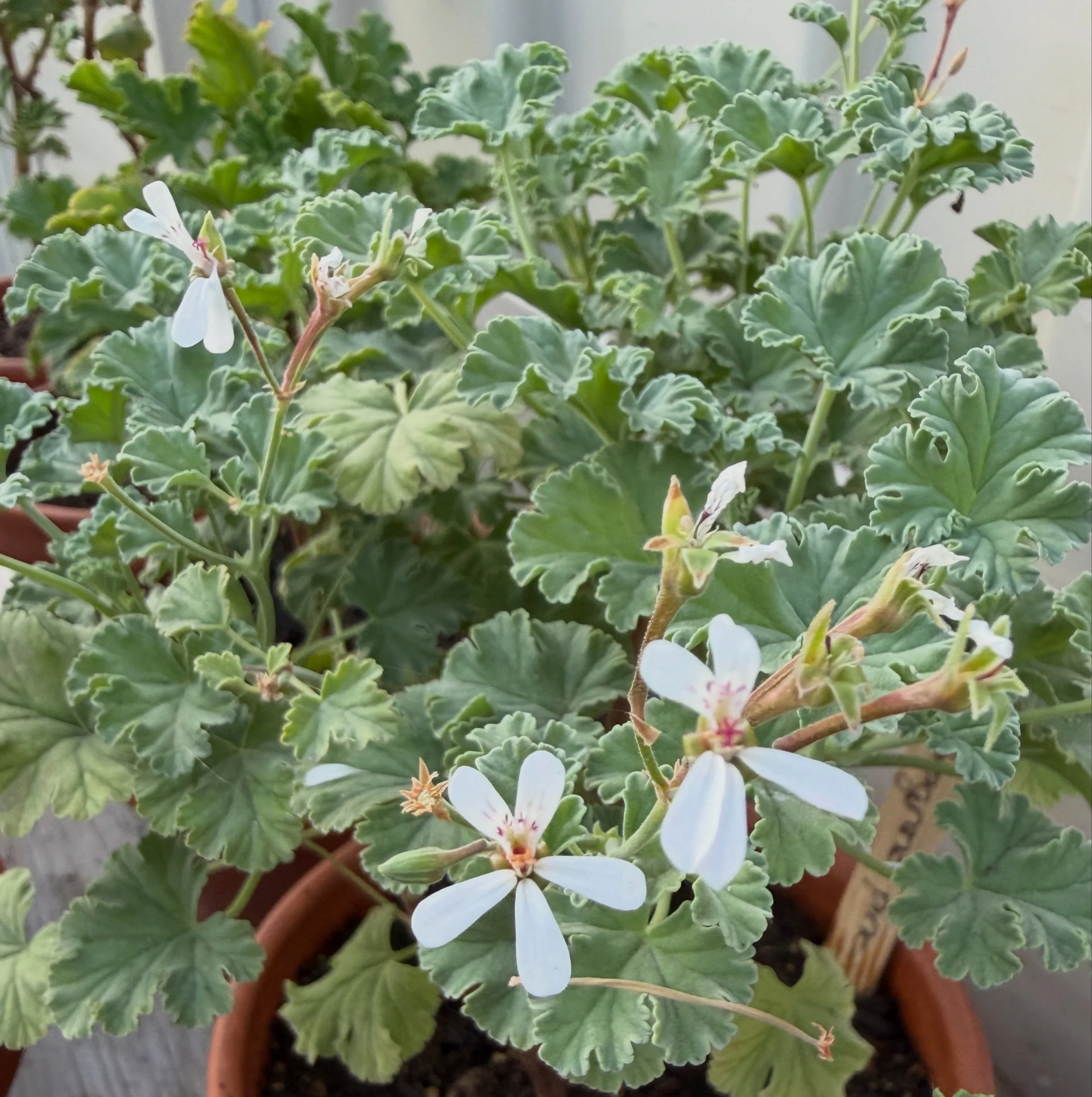
P. Strawberry - sweet, strawberry-like, small, mild green, dissected, and toothed leaves with flowers that have pale lilac-white petals with raspberry-plum veins and streaks.
P. Lemon Essence - strong lemon-scented, broadly lobed, rough leaves with pale pink flowers with purple veins.
P. Lime - lime-scented, soft, crinkled, and lobed leaves with lavender flowers.
P. Orange - orange-scented, light green, serrated, and lobed leaves with almost white flowers with dark-cherry blotches.
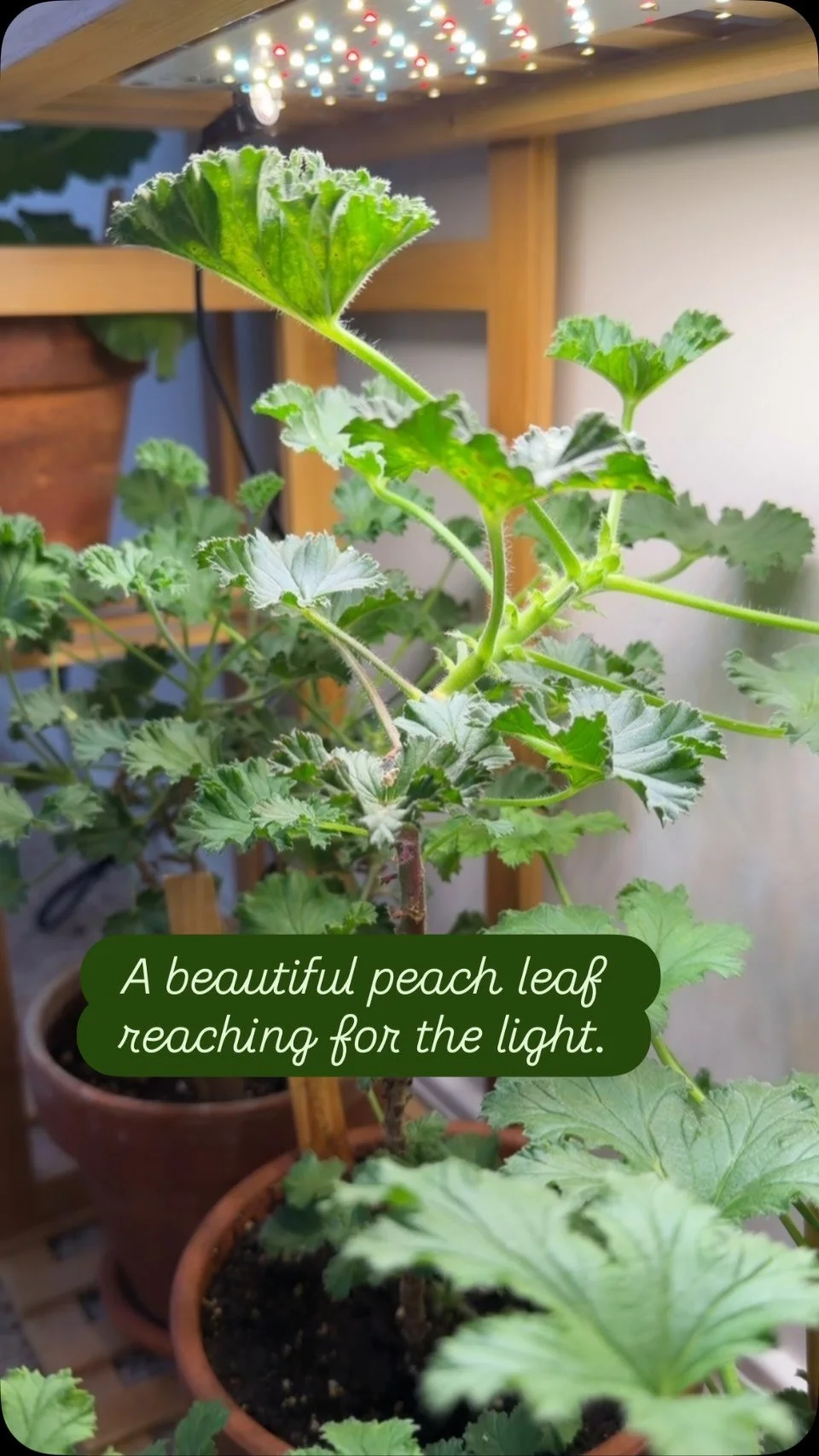
P. Peach - peach-scented, tiny, irregular, splotched green-and-cream leaves with small, pale pink flowers and cherry-red veins on the upper petals.
P. Pineapple - faint pineapple scent, leathery, dark green leaves with lavender flowers.